
Murderous madness
April 7, 2018
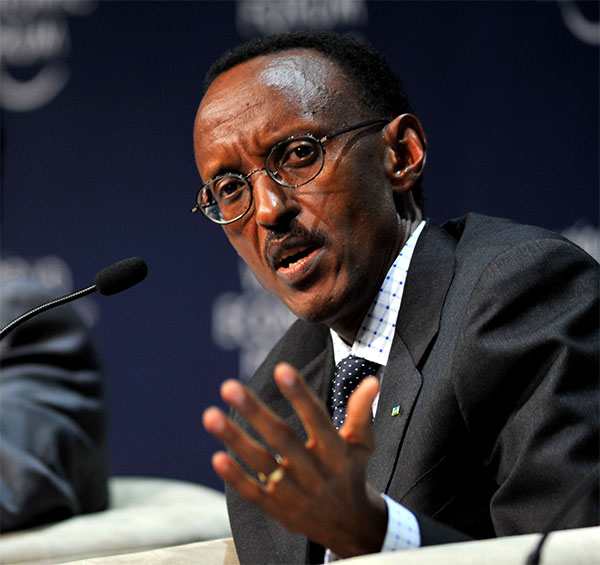
The commemoration of the 25th anniversary of the genocide of the Tutsis in Rwanda gave President Paul Kagame the opportunity to deliver a speech intended to be soothing. In substance, he stressed that the causes of the appalling massacre, which spared neither women nor children nor the very old, had been eliminated: “everything has been done so that this never happens again,” he declared…
Genocide: a word that arouses unspeakable terror.
Its etymology is twofold: it comes from the Greek genos, meaning race, and the Latin caedere, meaning to kill – in this case, to kill in order to destroy a human group on the basis of its national, ethnic or religious identity. The Jewish and Armenian communities have some reason, on hearing this word, to recall the cruelty and staggering barbarism that men can inflict on other men!
The circumstances in which the murderous madness that left 800,000 dead in Rwanda broke out have been widely reported and discussed by the world press and by experts. The atrocities have been highlighted – atrocities which, once committed, give rise to these words: never again!
But this ardent, hopeful wish is sadly contradicted by behaviour we thought was no longer possible. In the wake of stupidity, hatred finds its place. “The womb is still fertile…” said Brecht.
The massacre in Africa, where an ethnic group was annihilated with grenades and machetes, could make the thirst for peace seem naive. So let us make our own the thought of a sage: “In the midst of anguish, never lose hope, for the most exquisite marrow lies in the hardest bone.”
Victor Haïm